
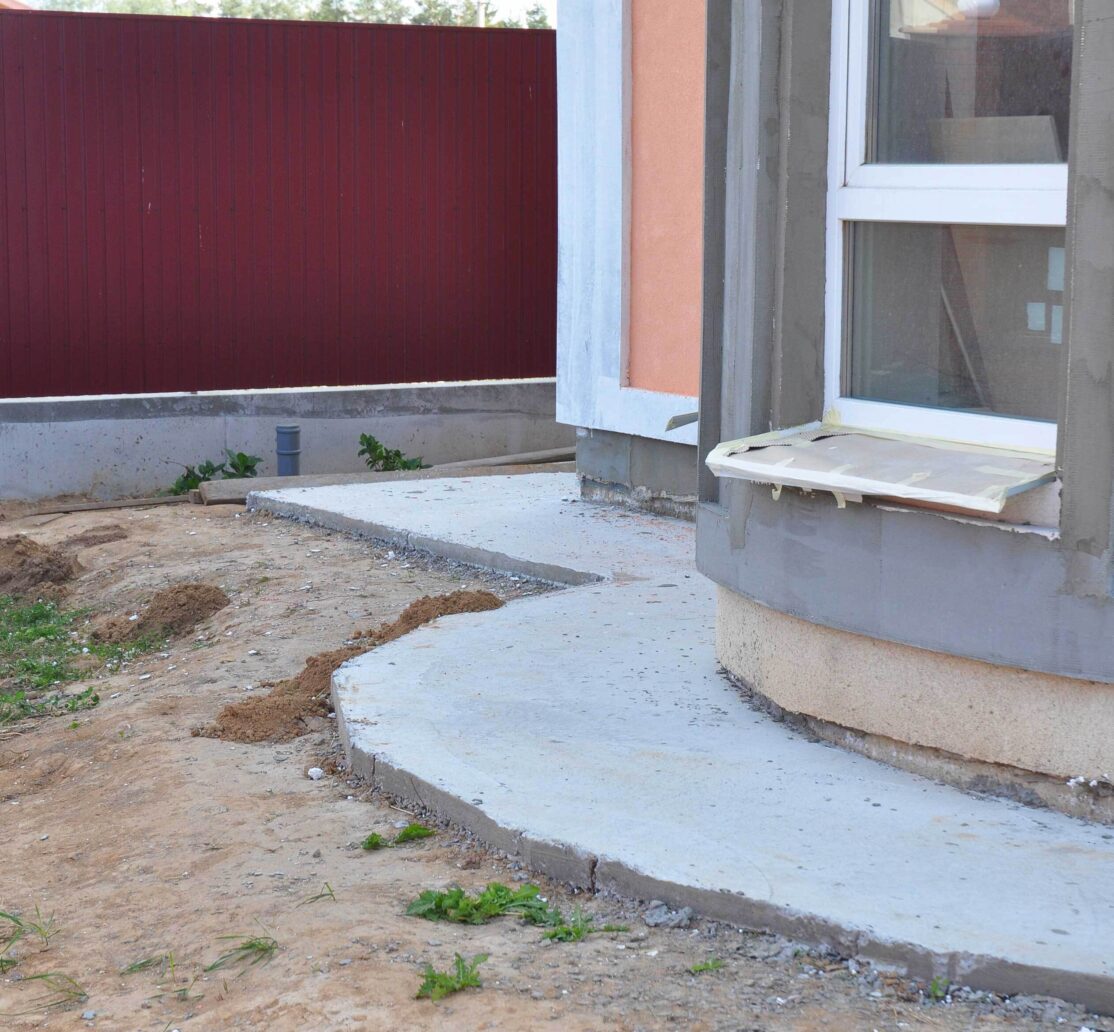
Why Foundation Problems Are So Common in Fort Worth
Many homeowners are puzzled as to why homes in Fort Worth commonly experience foundation problems compared to other regions. The answer comes down to a combination of soil conditions, weather patterns, and environmental factors that consistently affect how foundations perform over time.
In Fort Worth and across North Texas, homes are built on soil that is highly reactive to moisture. This means the ground beneath a home is constantly shifting as it expands and contracts. When this movement happens unevenly, it can place stress on the foundation and lead to visible structural issues.
Understanding these underlying causes can help homeowners recognize early warning signs and take action before minor problems turn into more serious damage.
Expansive Clay Soil in North Texas
How Clay Soil Expands and Contracts
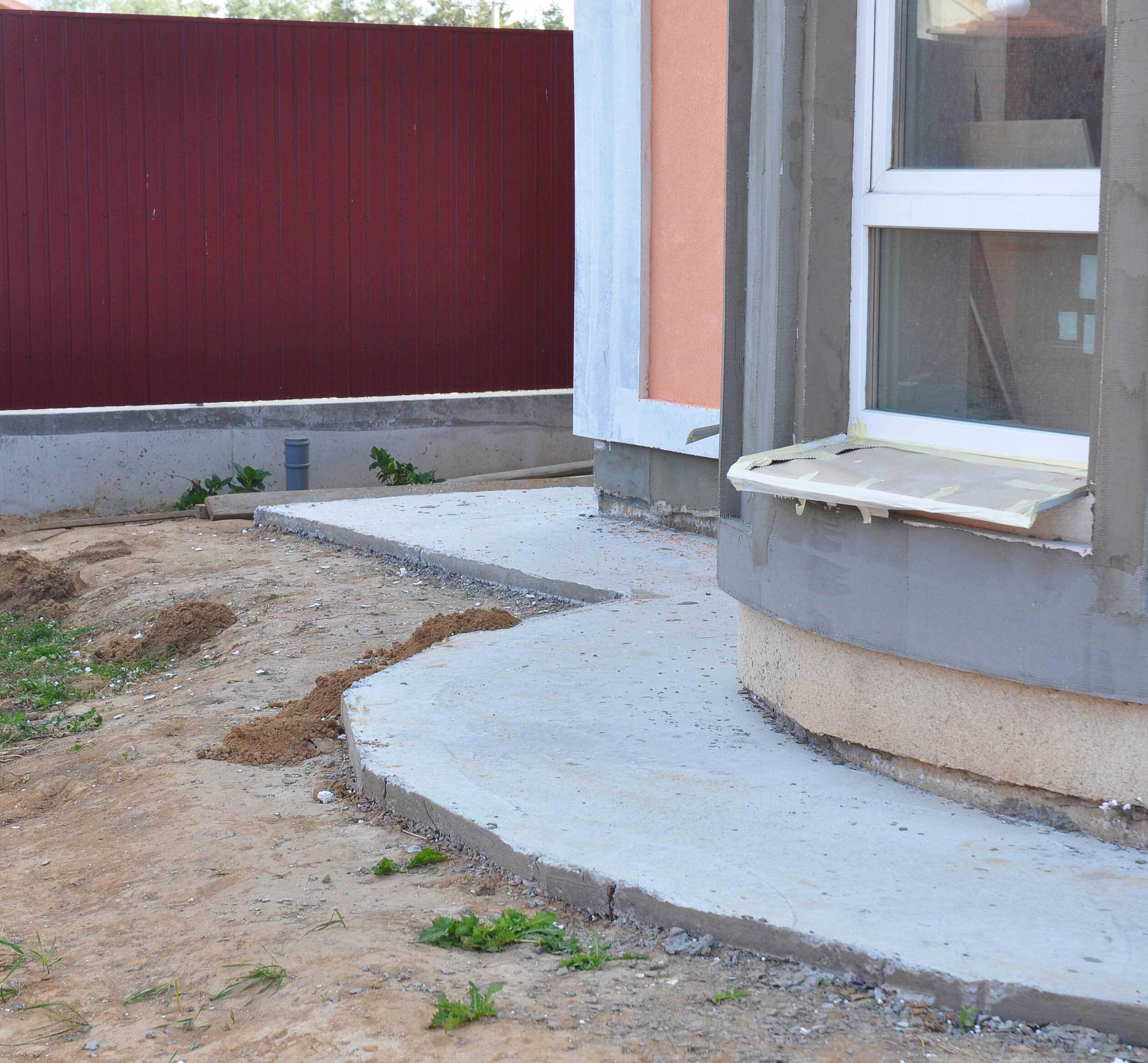
One of the biggest reasons foundation problems are so common in Fort Worth is the presence of expansive clay soil. This type of soil behaves very differently from more stable soil types.
When clay soil absorbs water, it expands and increases in volume. During periods of rain, the soil around and beneath a home can swell, pushing against the foundation. In contrast, during dry conditions or drought, the same soil shrinks as it loses moisture, creating gaps beneath the structure.
This constant cycle of expansion and contraction places ongoing stress on a home’s foundation and contributes to ongoing soil movement beneath the structure.
How This Movement Affects Foundations
As the soil shifts, it does not always move evenly across the entire structure. Some areas may expand while others shrink, leading to uneven support beneath the foundation.
Over time, this can cause:
-
Foundation settlement in certain areas
-
Lifting or heaving in others
-
Cracks forming in walls or exterior brick
-
Uneven floors throughout the home
Many Texas homeowners first notice foundation trouble when floors begin to slope or feel uneven. This uneven foundation movement is one of the primary reasons they begin to notice structural changes and early foundation damage inside their homes.
Seasonal Weather Changes in Fort Worth
Heavy Rainfall Periods
Weather patterns in Fort Worth play a major role in foundation performance. During periods of heavy rainfall, the soil becomes saturated with water, causing it to expand. This soil expansion increases pressure against the foundation and can push sections of it upward, creating structural issues over time.
If drainage is not properly managed, excess moisture can collect around the home and make the problem worse, increasing the risk of water damage near the foundation.
Drought Conditions
On the opposite end of the spectrum, dry weather can be just as damaging. During drought conditions, the soil loses moisture and begins to shrink.
As the soil pulls away from the foundation, it can create empty spaces beneath the structure, increasing the risk of foundation settlement and structural instability. Without proper support, sections of the foundation may begin to settle or shift downward. This repeated cycle of wet and dry conditions is a key reason foundation issues are so common in this region, especially for slab foundations that rely on consistent soil support.
Poor Drainage Around the Home
Common Drainage Issues
Drainage plays a critical role in maintaining consistent soil moisture levels. When water is not directed away from the home properly, it can lead to uneven soil conditions.
Some of the most common drainage issues include:
-
Improper grading that directs water toward the foundation
-
Clogged or poorly functioning gutters
-
Downspouts that discharge water too close to the home
-
Areas where water pools near the foundation after rain
Impact on Foundation Stability
When one area of the soil becomes overly saturated while another remains dry, the foundation experiences uneven pressure, leading to increased foundation movement and potential structural damage. This imbalance can accelerate movement and increase the risk of cracks, shifting, structural stress, and long-term water damage.
Maintaining proper drainage helps reduce these risks by keeping moisture changes more controlled and consistent around the home and helping prevent soil erosion near the foundation.
Tree Roots and Landscaping Effects
Landscaping can also influence how soil behaves around a foundation. Large trees, in particular, can draw significant amounts of moisture from the soil through their root systems.
As roots absorb water, the surrounding soil can dry out unevenly, contributing to soil movement and imbalance beneath the foundation. This can cause certain areas beneath the foundation to shrink faster than others, leading to imbalance and movement.
Homes with large trees planted close to the structure may be more likely to experience these types of issues over time, particularly in Texas homes where landscaping and soil conditions vary widely.
Construction and Soil Preparation Factors
Another factor that contributes to foundation problems is how the soil was prepared before construction. If the ground was not properly compacted or if the soil composition or type of soil varies across the lot, the foundation may not have consistent support from the beginning.
Over time, these inconsistencies can lead to gradual settling, foundation settlement, and long-term structural integrity concerns. Even well-built homes can experience movement if the underlying soil shifts significantly, sometimes requiring professional foundation work to restore stability.
How These Factors Work Together
In most cases, foundation problems are not caused by a single issue. Instead, they develop as a result of multiple factors working together.
Expansive soil, changing weather conditions, moisture changes, drainage issues, and landscaping all contribute to how the ground moves beneath a home. Over time, this constant movement can place stress on the foundation and lead to visible signs of foundation concerns and damage.
What Homeowners Should Watch For
Recognizing early warning signs, or common signs of foundation problems, can help prevent more extensive damage and costly repairs. Each of these can be a red flag that foundation movement is occurring. Homeowners should look for:
-
Cracks in drywall or exterior brick
-
Doors and windows that stick or do not close properly
-
Uneven or sloping floors
-
Gaps around windows, doors, or trim
These issues can affect both slab foundations and beam foundation systems, depending on the construction of the home.
These signs often indicate that the foundation may be shifting.
When to Have Your Foundation Inspected
If you notice any of these warning signs, it is a good idea to have your foundation evaluated. Early detection allows for more manageable repairs and can help prevent additional structural damage.
Regular inspections can also provide peace of mind, especially for Texas homeowners in areas like Fort Worth, where soil movement is common. Scheduling a free inspection can help identify potential problems early, before they require more extensive repairs.
Trusted Foundation Repair Expertise in Fort Worth
Understanding the causes of foundation problems is the first step toward protecting your home. When issues do arise, working with an experienced local team can make a significant difference.
RS Foundations provides professional foundation inspections and repair solutions tailored to the soil and structural conditions found throughout Fort Worth. Our team focuses on identifying the root cause of foundation movement and recommending solutions designed for long-term stability.
If you are experiencing signs of foundation problems or want a professional evaluation, scheduling an inspection can help you take the next step in protecting your home.